

Editor’s Note: Don’t Ask Me Where It’s From
Shot by: Her Fly Soul
I was once a mall rat et I grew up in the era of “cute top! Where’s it from?” Then the owner of said top would gush about where they got it, whether or not it was on sale, et depending on how close you were, even the location. The culture around style was more intimate then—someone asking you where you got something was a compliment.
But much like the Much Music Video awards, those days are behind us.
A few nights ago, I made the mistake of asking a friend of a friend where she got her cute top. This did not end in a conversation about shopping like I’m used to. I was told, respectfully, that “you really shouldn’t ask that.” The who, what et where of someone’s wardrobe is reserved for influencers et the red carpet because “they’re getting paid to tell you.”
Valid. Since capitalism took the top off et declared no limits on what can make someone money, personal style has been rather impersonal. During the mall/department store era, there was more ownership over individual style. Telling someone you’re sharing an elevator with about the shoes they complimented—courtesy of the Nordstrom bi annual sale—was like conversational parsley. You just threw it on there to make the conversation more pretty, chummy. It wasn’t perceived as a threat. But of course, the stakes weren’t as dystopian as they are today. No one owns the brands or stores they buy from, but there is a certain je ne sais homogeneitý going on in fashion due to the capitalization of authenticity. If you’re reading this right now, you’re a brand—whether you’ve accepted the cookies or not. Authenticity is actual currency now, et in that, everyone’s honest being—sense of style included—is up for grabs. A good outfit is a great icebreaker, I always say, but during a time of speedy micro trends et mass replicated looks in less than 48 hours of the original looks debut, a good outfit can also fall victim to sartorial appropriation.
Trying on a Burberry blazer in Amsterdam (this boutique has since closed!!)
From the outside, an outfit could be reduced to just stuff. But what you don’t know is that this stuff isn’t just cute, just stylish or put together, it’s actually history. There are long nights that teach you which brands are not party shoes, pop diva eras that inspire the way you mix & match, letters from the editor that revolutionize your beauty routine, scarves sewn with heartache, colours you love because they look great on you, or make you feel embodied—colours you hate because they make you bored. Knits that remind you of exes (friends et otherwise), dresses that remind you of your favourite song, or movie, et bags that have carried you through the trial et error of fit et trends—for example.
Personal style is rarely ever a solo project, as I believe taste takes community. But what’s happening now, while more people are paying attention to fashion than ever before, is that the communal part has transformed into beat for beat reiterations—style for most, is not their experience via expression, but someone else’s.
To put it simply: remember that episode of Fairly Odd Parents where Timmy wishes everything et everybody in the world looked exactly the same? Then, poof! Everyone’s a grey blob et Dimmsdale is devoid of colour?
That’s what people are guarding themselves from. Three years ago, I went to karaoke in Toronto, at none other than Bar+ of course. At the beginning of the night, I saw a group come in, et three women of the seven-ish people were in white fitted no-sleeve crop tops with dark wide leg denim. Later on in the night, after a very fab rendition of Doja Cat’s Need To Know with my friend Vanessa, I make way to the bar for another dark & stormy because at the time I was interested in seeing if I could be a Dark & Stormy girl opposed to a French 75 girl. While at the bar, I see groups coming, going, moving in et out of rooms. Then I see, speckled here et there, with one group of three, 13 more women in white fitted no-sleeve crop tops et dark wide leg denim. At first I thought maybe it was a volleyball tournament. Idk why, it was my third dark & stormy. I discovered later, despite some of the looks being so close, down to the white stitching on the indigo denim, most of them didn’t know each other.
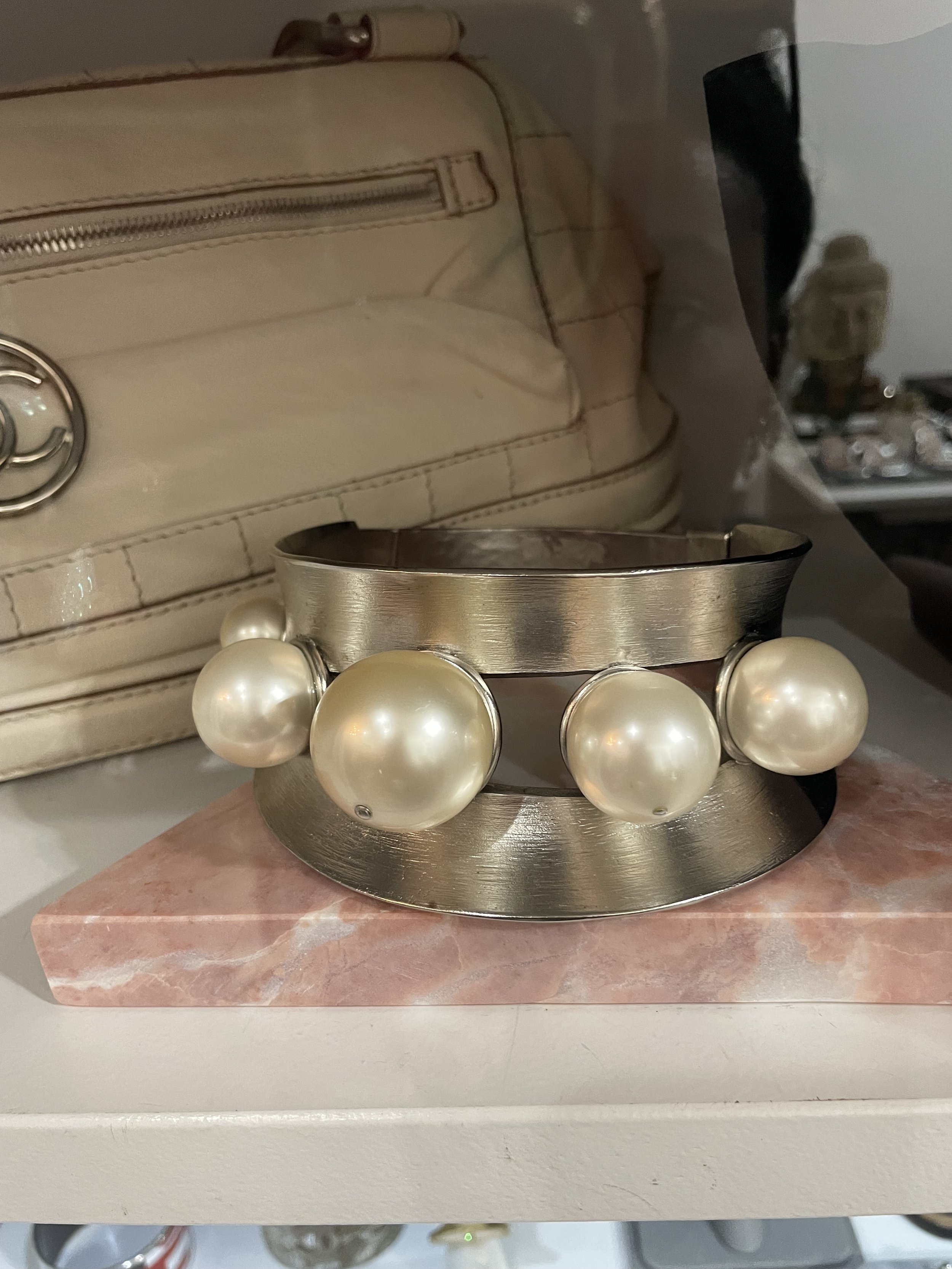
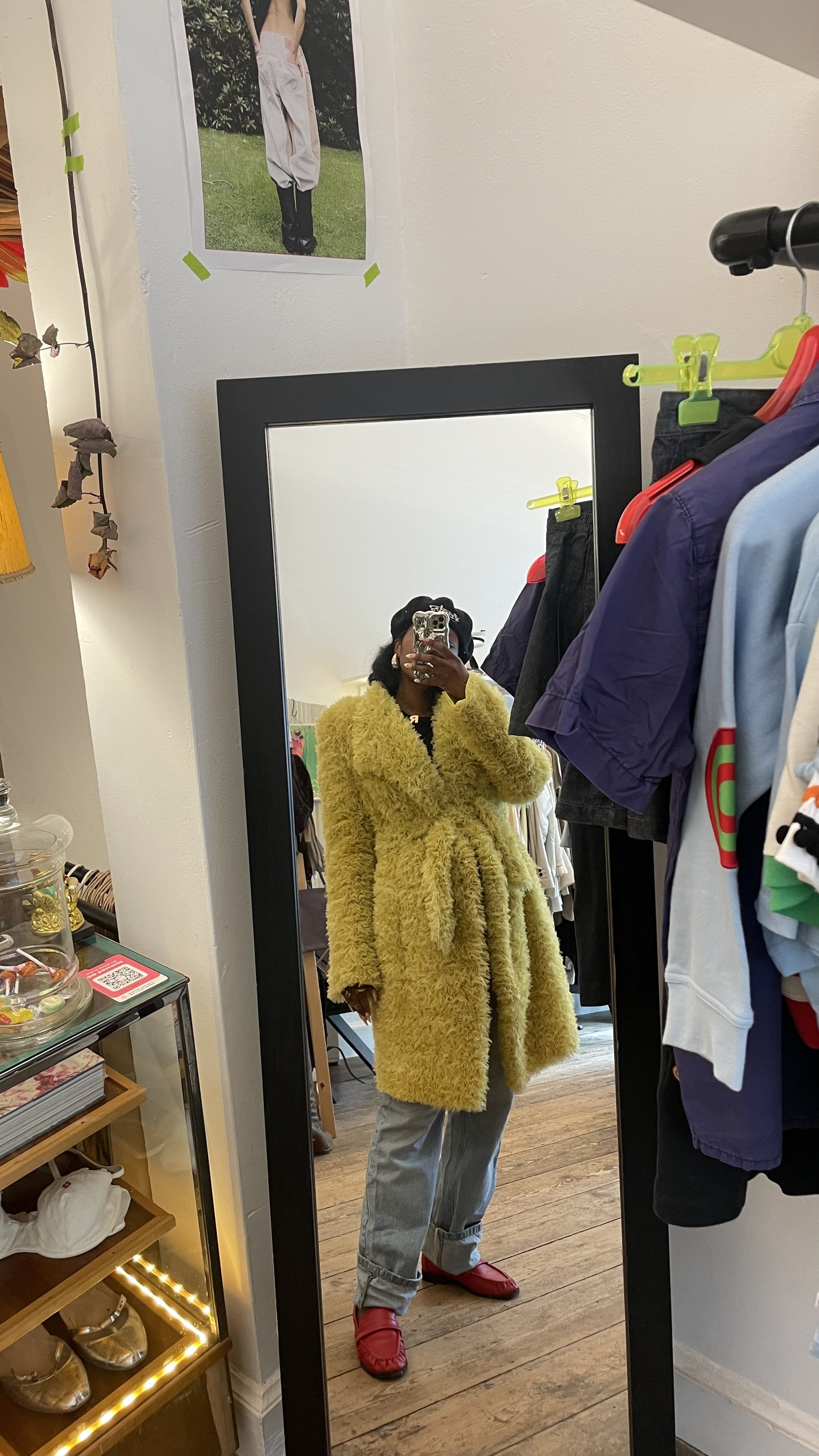
The children left behind: A Chanel choker at Consignment Brooklyn et an Ann Demeulemeester 1:1 shredded silk jacket at STOF. Both will make it back to me though.
I know that!
This is the same phenomena that tightened the grip of the clean girl/old money/quiet luxury chokehold. Beige was pretty much our grey blob scenario et Pantone’s Cloud Dancer did nothing to redirect the allegations of a soulless aesthetic cycle. People don’t want the journey of discovery, or the curiosity that drives it. It’s much easier to arrive at the destination dressed et ready to go. So conversational parsley became an unappetizing taboo.
It’s a shame we have to have our guards up about one of the most beautiful forms of unconscious competence, but I also argue that we don’t always have to. The source of style is never the piece itself, but the eye that built its formation et creative conviction. The fear of having your history reduced to a commonality is fair, the fatigue is also fair. Fortunately though, none of that is my business because I’m not common.
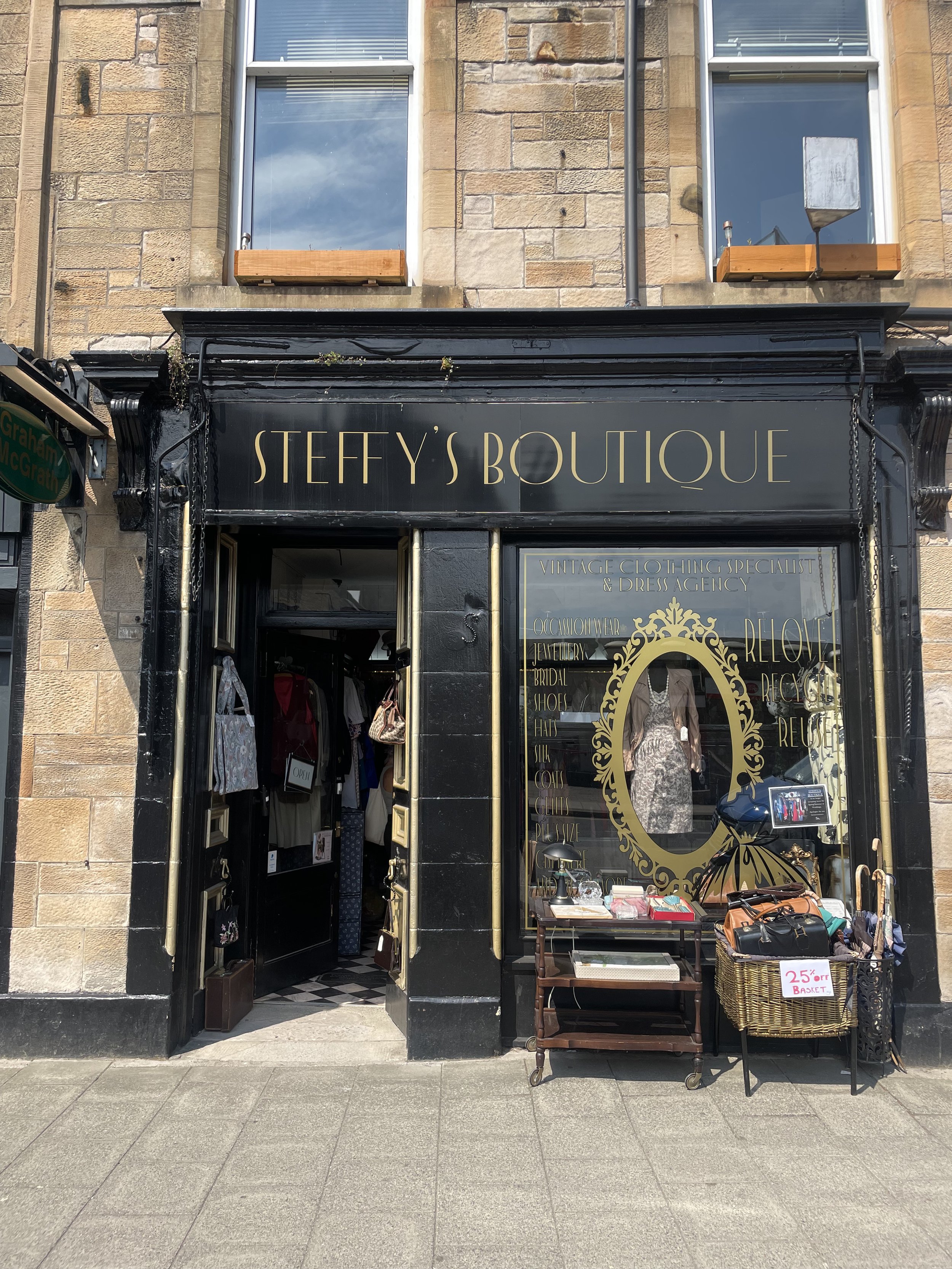
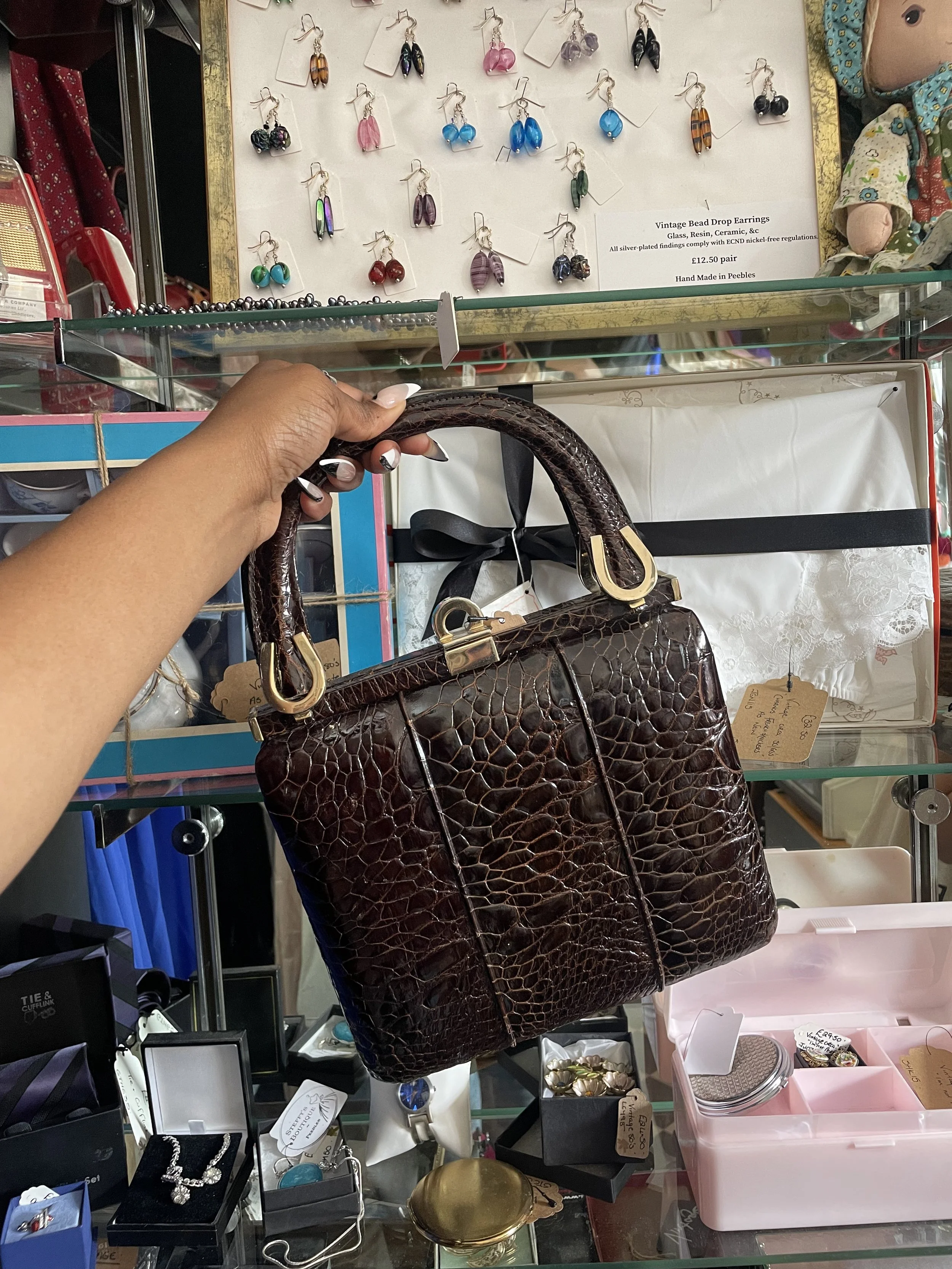
Shout out to Steffy Boutique in Peebles, Scotland.
As the temps rise in the season of newness et reinvention, the sinful question may be asked again. But whether in community or conspiracy, the woman whose top I asked about—she knows where she got it, et I know people fail open book tests everyday. I could have gotten it in the exact same colour et it still wouldn’t have been the same.
